 Jason Townes French
Microsoft's Muse: A New Era in AI-Powered Game Development
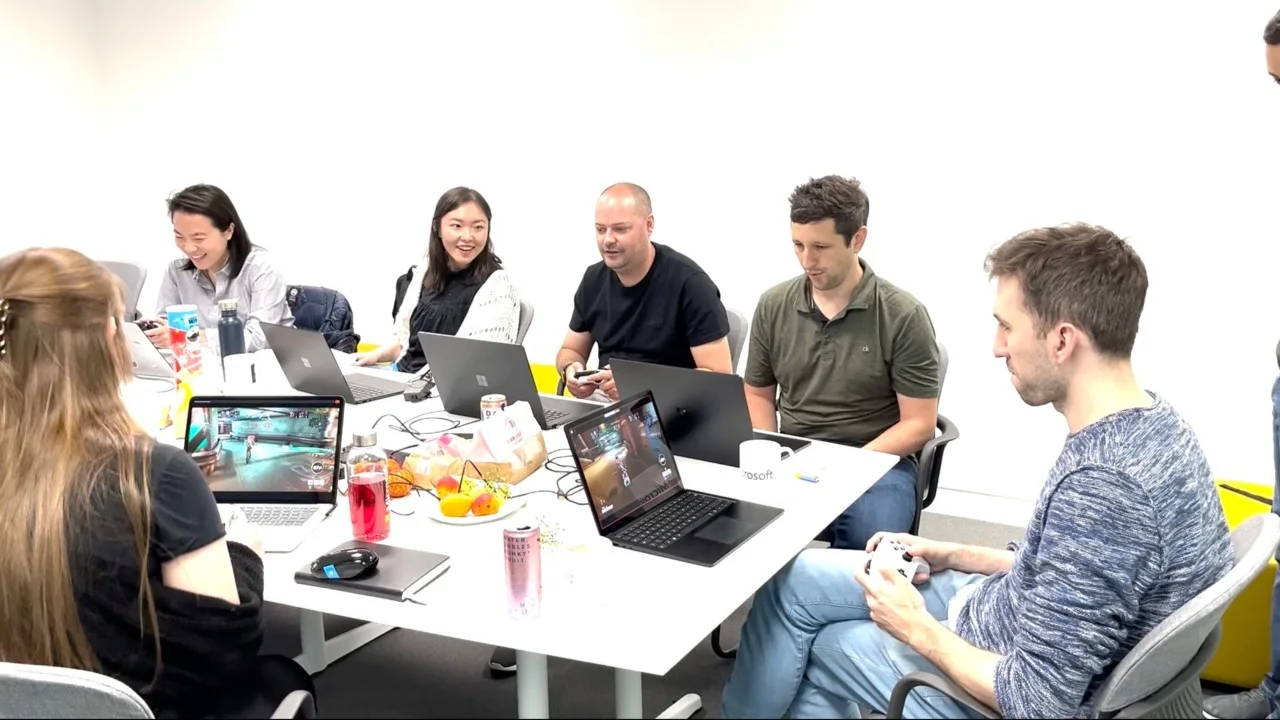
What if artificial intelligence could understand and generate gameplay sequences as naturally as a human player? That future is getting closer with WHAM (World and Human Action Model), Microsoft's groundbreaking generative AI model recently published in Nature. As someone fascinated by the intersection of AI and game development, I'm excited to explore how this research could shape the future of creative game design.
What Makes WHAM Different?
To understand WHAM's unique approach, let's compare it with Large Language Models (LLMs), which represent another major advancement in generative AI:
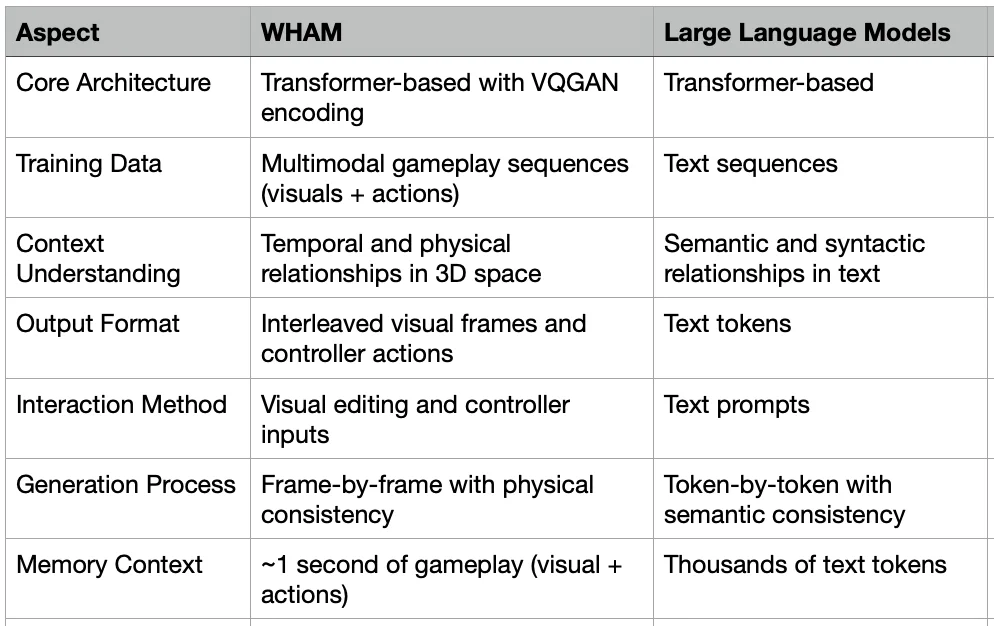
While both WHAM and LLMs share transformer architecture foundations, WHAM is specifically designed to:
Generate consistent gameplay that follows game physics and mechanics Create diverse sequences from the same starting point Maintain user-directed modifications in its generated content
These capabilities emerged from Microsoft's research with game development teams, who highlighted the importance of supporting both iterative practice and creative exploration.
Understanding WHAM's Capabilities
Consistency in Action
WHAM demonstrates remarkable consistency in generating gameplay sequences that respect the game's physics and mechanics. For example, it ensures characters properly interact with the environment - ascending stairs with appropriate animations and not passing through solid structures like walls.
Meaningful Diversity
The model can generate multiple different but plausible gameplay sequences from the same starting point. This isn't just random variation - it creates meaningfully different paths and actions that make sense within the game's context.
Supporting Creative Iteration
One of WHAM's most innovative features is its ability to maintain modifications made by developers. If you add a game element or character to a scene, WHAM will incorporate that change into its generated sequences rather than discarding it.
The Technology Behind WHAM
WHAM was trained on a massive dataset from the game Bleeding Edge, including:
Over 500,000 gameplay sessions More than 7 years of continuous play data Gameplay across multiple game maps
The model uses a sophisticated architecture that combines:
A transformer-based sequence prediction backbone VQGAN image encoding for visual processing Discrete token representation of both visuals and controller actions
Real-World Applications
For Large Studios
Rapid prototyping of gameplay sequences Exploring alternative game mechanics Testing different player experiences
For Indie Developers
Quick iteration on gameplay ideas Testing mechanical variations Exploring player behavior patterns
Current Limitations
It's important to note that WHAM is currently a research project with specific constraints:
Trained on a single game (Bleeding Edge) Requires substantial computing resources Still needs human guidance and curation
Looking Ahead
The research team has released WHAM's weights and a demonstration interface to support further research and exploration. This openness could accelerate development of similar tools across different games and genres.
What This Means for Game Development
WHAM represents a significant step toward AI systems that can truly support creative game development. Rather than replacing human creativity, it provides tools to:
Speed up the prototyping process Explore more gameplay possibilities Maintain creative control while leveraging AI capabilities
So Now What?
WHAM demonstrates how AI can become a valuable creative partner in game development when designed with human needs in mind. While still in its research phase, it points toward a future where AI tools can better support the iterative and exploratory nature of creative game design. Time will tell how this plays out. In the meantime, the AI hype train continues chugging along, so we can expect a lot more research and development in this area.
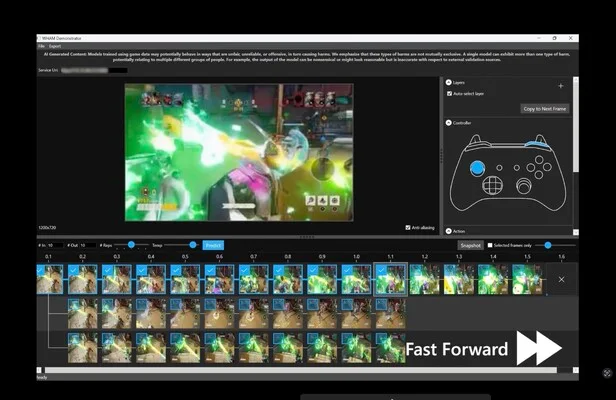
Want to explore WHAM yourself? Check out the public release at https://huggingface.co/microsoft/wham
Originally published on LinkedIn.